
Explaining Travel Deals: Saving Money Worldwide
More than half of American travelers mistakenly believe that grabbing last-minute deals always saves the most money. Travel can seem complicated, especially when myths and confusing offers make it tough to know what truly works. Breaking through common misconceptions about travel deals helps every American find real savings, stretch their budget, and discover how simple strategies can unlock affordable adventures no matter where you want to go.
Table of Contents
- Travel Deals Defined And Common Myths
- Types Of Travel Deals Available Today
- How Travel Meta-Search Engines Work
- Booking Process And Key Deal Features
- Risks, Limitations, And Pitfalls To Avoid
Key Takeaways
| Point | Details |
|---|---|
| Travel Deals Offer Savings | Budget travelers can effectively lower costs by employing strategic booking techniques and researching deals across various platforms. |
| Avoid Common Myths | Misunderstandings about pricing and sales can lead to missed opportunities; true savings often require comparison and planning. |
| Utilize Meta-Search Engines | These platforms allow travelers to aggregate prices and find the best deals without visiting multiple websites directly. |
| Be Aware of Risks | Hidden fees and restrictive policies can complicate perceived savings, making thorough research essential before booking. |
Travel Deals Defined And Common Myths
Travel deals represent strategic opportunities for budget-conscious travelers to reduce transportation and accommodation expenses through carefully timed bookings, promotional pricing, and smart research strategies. Contrary to popular misconception, scoring exceptional travel discounts does not require specialized skills or complicated techniques.
One prevalent myth is that advertised travel sales always guarantee the best prices, when in reality, savvy travelers understand that true savings demand comprehensive comparison and strategic planning. Numerous travelers mistakenly believe that travel must be expensive, when multiple affordable options actually exist across various booking platforms and travel segments.
Common travel deal myths often revolve around unrealistic expectations and misunderstandings about pricing dynamics. For instance, budget travelers frequently assume that last-minute bookings consistently offer cheaper rates, when research demonstrates that advance planning typically yields more significant savings. Budget travel strategies prove that strategic approaches can dramatically reduce overall trip expenses, challenging the narrative that memorable experiences require substantial financial investment.
Key strategies for identifying genuine travel deals include:
- Comparing prices across multiple booking platforms
- Being flexible with travel dates
- Signing up for airline and hotel loyalty programs
- Monitoring flash sales and promotional periods
- Understanding price fluctuation patterns
Successful budget travel requires a combination of research, flexibility, and strategic timing. By understanding the nuanced landscape of travel pricing, travelers can unlock significant savings and transform their perception of affordable exploration.
Types Of Travel Deals Available Today
Travel deals encompass a wide spectrum of pricing strategies and promotional opportunities designed to help travelers reduce their overall trip expenses. From flash sales to seasonal discounts, these opportunities provide accessible pathways for budget-conscious explorers to experience remarkable journeys without excessive financial strain.

One fascinating segment of travel deals involves online travel auctions, where various travel products and services are sold through competitive bidding processes. These dynamic platforms allow travelers to potentially secure accommodations, flights, and experiences at significantly reduced rates by participating in real-time pricing competitions. Auction-based travel deals represent an innovative approach that challenges traditional fixed-price booking models.
Various types of travel deals exist across different travel segments, each offering unique advantages for cost-conscious travelers. Hotel package deals from our comprehensive booking guide frequently combine accommodations with additional perks like meal inclusions or activity credits, providing substantial value beyond standard room rates.
Key travel deal categories include:
- Flash Sales: Limited-time offers with significant discounts
- Last-Minute Deals: Steep price reductions for spontaneous travelers
- Seasonal Promotions: Discounts tied to specific travel periods
- Loyalty Program Specials: Exclusive pricing for frequent travelers
- Bundle Packages: Comprehensive travel arrangements at reduced rates
Successful deal hunting requires strategic research, flexibility, and an understanding of pricing dynamics across different travel platforms. By exploring multiple booking channels and remaining open to various travel options, travelers can unlock remarkable savings and transform their travel experiences.
How Travel Meta-Search Engines Work
Travel meta-search engines represent sophisticated digital platforms that revolutionize how travelers discover and compare travel pricing across multiple booking websites simultaneously. These powerful technological tools aggregate travel pricing information from numerous airlines, hotels, and travel agencies, enabling users to quickly identify the most competitive rates without manually searching multiple websites.
The core functionality of meta-search engines involves complex algorithmic processes that crawl and collect real-time pricing data from various travel providers. Multi-city flight booking tools offer travelers comprehensive comparison strategies that demonstrate how these platforms rapidly scan hundreds of travel websites within milliseconds, presenting users with a comprehensive overview of available options.
Unlike traditional booking platforms, meta-search engines do not directly sell travel products. Instead, they function as sophisticated intermediaries that redirect users to the most cost-effective booking sources. This approach provides travelers with maximum transparency and pricing flexibility, allowing them to make informed decisions based on comprehensive market comparisons.
Key operational characteristics of travel meta-search engines include:
- Real-Time Price Aggregation: Instantaneous data collection from multiple sources
- Price Comparison: Side-by-side evaluation of travel options
- Filtering Capabilities: Advanced search refinement tools
- Dynamic Pricing Insights: Understanding price fluctuations and trends
- Cross-Platform Integration: Seamless information synchronization
Successful travel meta-search engines leverage advanced technology to simplify the complex process of finding optimal travel pricing. By providing users with comprehensive, instantly accessible information, these platforms empower travelers to make smart, cost-effective booking decisions with unprecedented ease and efficiency.
Booking Process And Key Deal Features
Travel booking processes have evolved dramatically, transforming from traditional agency interactions to sophisticated digital platforms that offer travelers unprecedented flexibility and pricing options. Modern booking strategies require understanding complex pricing mechanisms and strategic timing to secure the most advantageous travel arrangements.
Destination type and travel period significantly influence airline ticket pricing dynamics, creating a nuanced landscape where travelers must navigate multiple variables to optimize their booking experience. These pricing complexities mean that successful travelers must develop strategic approaches that go beyond simple point-to-point comparisons.
The contemporary booking process involves several critical stages that travelers must carefully navigate. Strategic hotel deal hunting requires understanding specific booking windows and flexibility that can unlock substantial savings across different travel segments. Savvy travelers recognize that pricing is not static but a dynamic ecosystem influenced by numerous interconnected factors.
Key features of an effective booking process include:
- Transparent Pricing: Clear, upfront cost breakdowns
- Flexible Date Options: Multiple departure and return date comparisons
- Comprehensive Filters: Detailed search refinement capabilities
- Price Tracking: Real-time fare change monitoring
- Instant Booking Confirmation: Immediate reservation security
Successful travel bookings demand a combination of technological understanding, strategic timing, and adaptable planning. By mastering these complex dynamics, travelers can transform their booking experience from a potential stress point into an opportunity for significant savings and personalized travel experiences.
Risks, Limitations, And Pitfalls To Avoid
Navigating travel deals requires a nuanced understanding of potential risks and strategic decision-making. Travelers must recognize that seemingly attractive offers can often conceal significant limitations or unexpected complications that may compromise overall travel experience and financial planning.
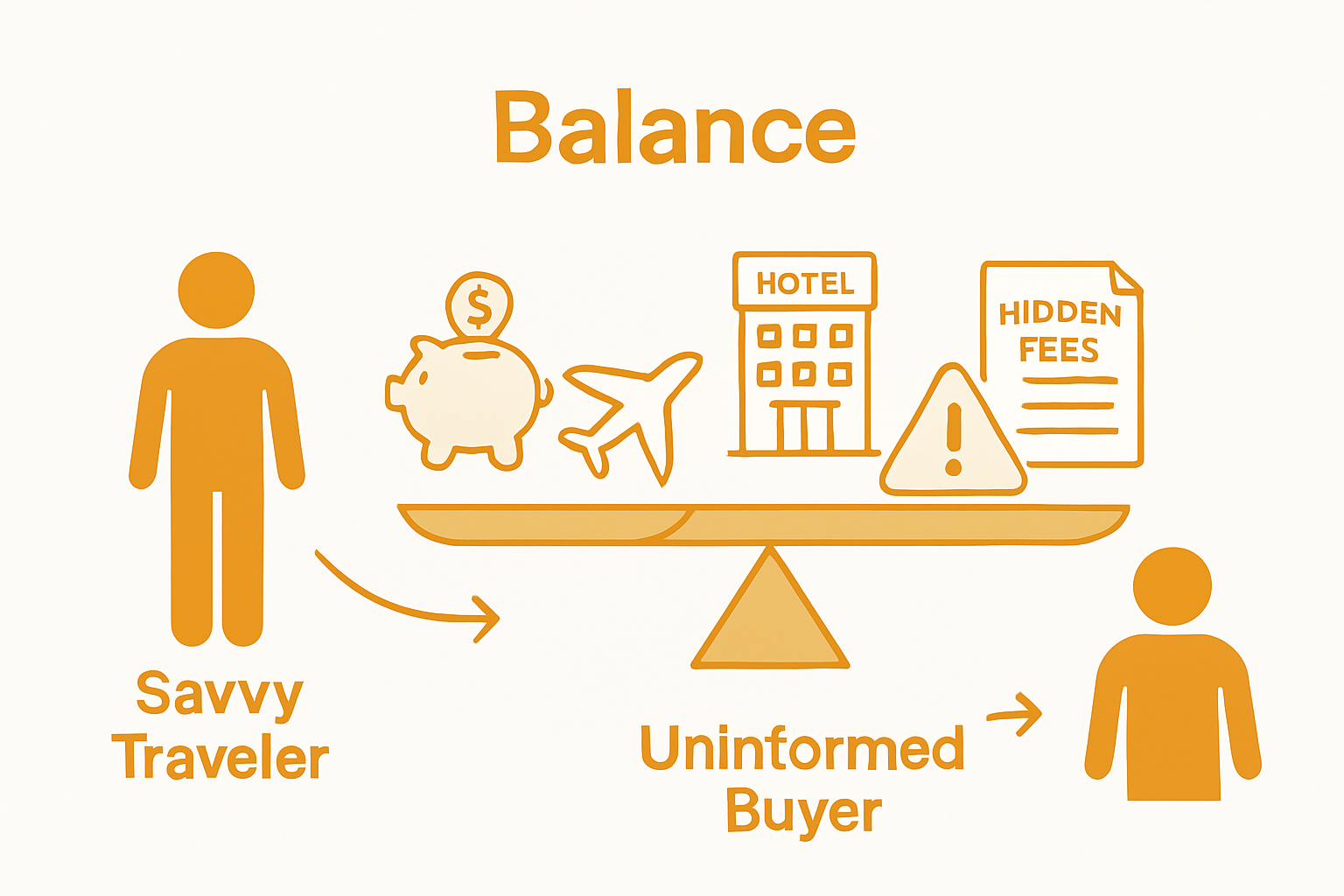
Common travel myths about last-minute deals can lead travelers into costly misconceptions, potentially exposing them to higher financial risks and reduced travel options. Relying exclusively on advertised promotions without comprehensive research can result in suboptimal booking choices that compromise both budget and travel quality.
The most prevalent risks in travel deal hunting encompass several critical areas that demand careful consideration. Travelers must remain vigilant about hidden fees, restrictive booking conditions, non-refundable arrangements, and potential blackout dates that can dramatically alter initial pricing expectations. Understanding these potential pitfalls requires a proactive approach to deal evaluation and thorough terms and conditions analysis.
Key risks travelers should anticipate include:
- Hidden Fees: Additional charges not initially disclosed
- Restrictive Cancellation Policies: Limited flexibility in changing plans
- Blackout Dates: Unexpected limitations on travel periods
- Non-Transferable Bookings: Strict reservation constraints
- Limited Customer Support: Minimal assistance during travel complications
Successful travel deal navigation demands a balanced approach that combines enthusiasm with critical analysis. By maintaining realistic expectations and conducting comprehensive research, travelers can transform potential risks into strategic opportunities for memorable and cost-effective travel experiences.
Unlock Real Savings With Smart Travel Planning
Navigating the complex landscape of travel deals can be overwhelming with myths about last-minute bargains and hidden fees clouding the way. This article breaks down common challenges like restrictive cancellation policies and fluctuating prices, emphasizing the need for flexibility and strategic timing when booking flights, hotels, and more. If you want to beat misinformation and truly save, understanding these deal dynamics is just the first step.
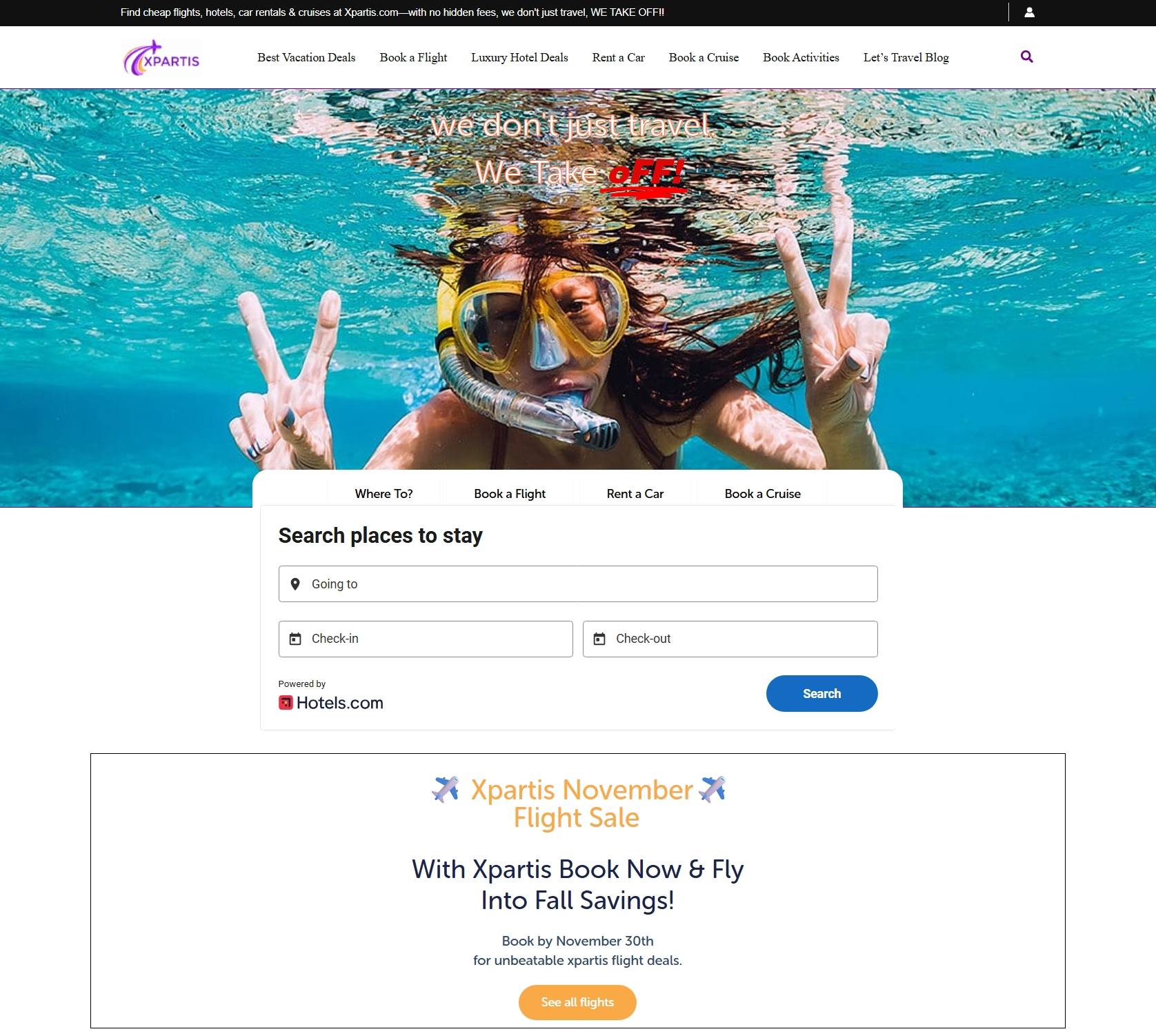
Experience the power of a full-service travel meta-search engine that simplifies your search and puts the best prices at your fingertips. At Xpartis, you can compare and book flights, hotels, car rentals, cruises, and activities all in one place. Don’t let confusing pricing or restrictive terms hold you back. Dive into smart travel strategies and access exclusive discounts today on Xpartis. Start your journey to affordable exploration now and see how easy it is to transform savings into memorable trips with Xpartis.
Frequently Asked Questions
What are travel deals and how can they help me save money?
Travel deals are promotional opportunities and strategies that allow travelers to significantly reduce expenses on transportation and accommodation through careful timing, research, and comparison of prices. By utilizing travel deals, budget-conscious travelers can enjoy meaningful experiences without overspending.
Are last-minute travel deals always cheaper?
Contrary to popular belief, last-minute travel deals don’t consistently offer lower prices. Research shows that booking in advance often leads to greater savings compared to last-minute bookings, which may limit options and increase costs.
How do I find the best travel deals?
To find the best travel deals, compare prices across various booking platforms, be flexible with your travel dates, sign up for loyalty programs, and monitor flash sales or promotional offers. Understanding price fluctuation patterns can also aid in identifying genuine deals.
What are some common risks when booking travel deals?
Common risks include hidden fees, restrictive cancellation policies, blackout dates, non-transferable bookings, and limited customer support. Being aware of these potential pitfalls can help travelers make more informed decisions and avoid negative experiences.
Recommended
Related Posts








- Trending
- Comments
- Latest